
In This Article
- Start with a Reliable Grill Setup
- Add Prep Space and Storage That Work in Real Weather
- Plan Smart Refrigeration and Cooling
- Stock the Right Tools and Cooking Accessories
- Improve Lighting, Power, and Water Access
- Prioritize Seating, Shelter, and Year-Round Comfort
- Keep Maintenance and Safety at the Center
- Bringing It All Together
Start with a Reliable Grill Setup
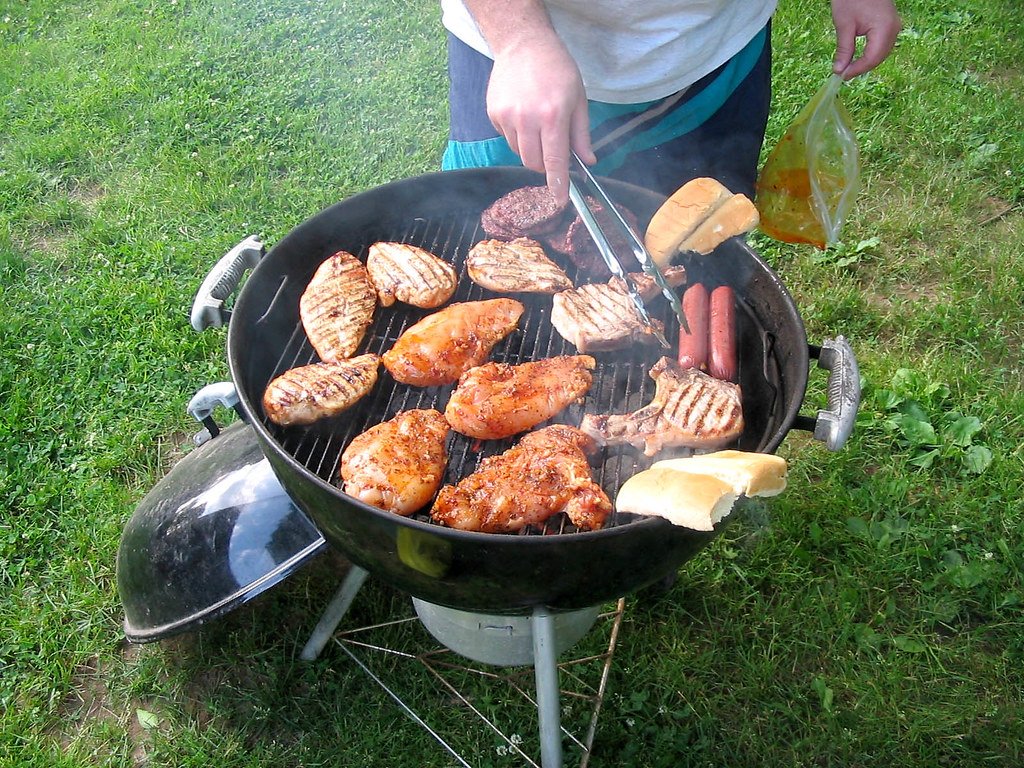
Every good outdoor kitchen starts with the grill itself. The most important decision is choosing a setup that matches how you cook, how often you cook, and how much space you have available. A reliable grill should heat evenly, hold temperature well, and feel easy to use from the first lighting session to the final cleanup. Whether you prefer gas, charcoal, electric, or pellet cooking, the goal is the same: a dependable centerpiece that makes grilling feel simple rather than stressful.
Fuel source matters just as much as the grill body. Gas offers quick ignition and easy temperature control, charcoal brings a classic live-fire feel, electric can work well in tighter spaces, and pellet systems are often favored for steady heat and versatility. Think through where fuel will be stored, how far it is from the cooking zone, and how often you want to refill, replace, or clean up after each session. A practical setup should fit your routines instead of forcing new habits every time you cook.
Placement is the other half of a safe grill setup. Give the grill enough breathing room on all sides, keep it away from overhanging branches or low structures, and position it where smoke can move freely instead of drifting into seating areas. If you want more detailed buying guidance and grilling ideas while planning your space, Grills Forever is a helpful place to compare options and sharpen your outdoor cooking setup.
A sturdy surface under the grill also makes a difference. Level flooring helps with stability, while noncombustible materials around the cooking area reduce risk and make cleanup easier. If you are building from scratch, it is worth planning the grill location before adding counters, storage, or seating so the entire kitchen flows naturally around the main cooking station.
Add Prep Space and Storage That Work in Real Weather
Once the grill is in place, prep space becomes the feature that turns a cooking station into a true outdoor kitchen. A generous counter gives you room to season food, arrange trays, slice vegetables, and rest finished items without balancing them on side shelves or carrying everything back indoors. Weather-resistant materials are essential here because the countertop will face sun, moisture, grease, and frequent wiping.
Choose surfaces that are easy to clean and built for outdoor conditions. Stainless steel, sealed stone, concrete, and other durable finishes can all work well when properly installed and maintained. The best material depends on your style and budget, but the main standard is simple: the surface should be sturdy enough for food prep and resilient enough to handle seasonal changes. Rounded or slightly raised edges can also help contain spills and prevent tools from rolling away.
Storage is just as important as counter space. Drawers and cabinets keep utensils, fuel accessories, cutting tools, foil, trays, and serving items organized and ready when you need them. Outdoor storage should close tightly, resist moisture, and be easy to open even with one hand while cooking. If possible, separate dry storage from items used for cleaning or fuel so everything stays cleaner and easier to find.
It also helps to think in zones. Keep prep tools near the counter, serving pieces near the dining area, and cleaning supplies close to the sink or waste bin. This reduces unnecessary movement and makes the kitchen feel efficient during busy cookouts. Even a compact outdoor kitchen can feel much more functional when every item has a clear place and the main work surfaces stay uncluttered.
Plan Smart Refrigeration and Cooling
Cold storage is one of the most practical upgrades in any backyard kitchen. If you grill frequently, you already know how much easier it is to keep meats, marinades, drinks, and side dishes close at hand. An outdoor-rated refrigerator can make that possible without requiring repeated trips inside. It is especially useful for long cooking sessions, gatherings, and meals that involve multiple stages of prep.
When choosing refrigeration, make sure the unit is designed for outdoor use and installed in a location that protects it from direct exposure where possible. Outdoor-rated equipment is built to handle temperature changes and moisture more reliably than indoor appliances placed outside. Proper ventilation around the unit is also important, since trapped heat can affect performance and shorten lifespan. If you are building into cabinetry, leave the recommended clearance so the system can work correctly.
For smaller spaces or more casual grilling areas, a cooler station can be a smart alternative. A well-organized cooler setup can hold marinated proteins, condiments, beverages, and items that need to stay chilled for a few hours. The key is to place it where you can reach it easily without crossing active cooking space. Use separate containers for raw foods and ready-to-serve ingredients so you maintain a cleaner process while cooking.
No matter which cooling option you choose, keep traffic flow in mind. The cold storage area should be close enough to be convenient but not so close that it creates crowding around the grill. When refrigeration is planned well, you spend less time running back and forth and more time focusing on the food itself.
Stock the Right Tools and Cooking Accessories
The best grill setup still needs the right tools to be useful. A basic collection should include long-handled tongs, a solid spatula, and a reliable thermometer. These are the everyday essentials that help you turn, lift, and check food without guessing. A thermometer is especially important because it gives you a clear read on doneness and helps prevent overcooking, which matters whether you are grilling burgers, chicken, vegetables, or thicker cuts of meat.
Heat-safe gloves are another practical necessity. They protect your hands when moving grates, adjusting accessories, lifting hot pans, or handling items near high heat. Look for gloves that are flexible enough to grip tools securely while still giving you enough protection to work comfortably. In an outdoor kitchen, comfort matters because you will use these items often, not just once in a while.
A grill brush is useful for routine maintenance after cooking. Keeping grates clean helps with food release, flavor, and temperature consistency. It also makes each grilling session start in a better place than the last one. You may also want a scraper, basting brush, skewers, trays, and a pair of heat-resistant serving platters. The exact list depends on what you cook most often, but it is worth building a kit that covers both high-heat work and finishing tasks.
Organization makes these tools more effective. Store them near the grill in a drawer, hook system, or cabinet so they are easy to grab when needed. If tools are scattered in multiple places, the whole cooking experience becomes less smooth. A compact but complete accessory station can save time, reduce frustration, and help your outdoor kitchen feel ready whenever guests arrive.
Improve Lighting, Power, and Water Access
Good outdoor cooking does not stop when the sun goes down. Task lighting is one of the most overlooked essentials, yet it has a huge impact on safety and convenience. The grill surface, prep counter, and storage areas should all be visible without glare or awkward shadows. Focused lighting above the work zone lets you check food color, read thermometer temps, and move utensils confidently after dark.
Electrical access is also worth planning early. Outdoor-rated outlets make it easier to use electric starters, lighting, small appliances, and refrigeration without stretching cords across walkways. If you expect to use powered accessories regularly, position outlets so they are helpful but not in the way of splatter, foot traffic, or heat. Safety covers and proper installation are important, since outdoor systems must stand up to weather as well as daily use.

Water access can simplify cleanup and food prep. A nearby sink or hose connection gives you a practical way to wash hands, rinse tools, and handle small spills before they become bigger messes. Even if a full sink is not part of the design, having water nearby is useful for both convenience and hygiene. It also reduces the amount of carrying back and forth when you are in the middle of cooking.
The best outdoor kitchens are designed around movement. Lighting, power, and water should all support smooth cooking instead of creating obstacles. If you can see clearly, plug in what you need, and clean up efficiently, the space becomes more enjoyable to use on busy weeknights and weekend gatherings alike.
Prioritize Seating, Shelter, and Year-Round Comfort
An outdoor kitchen feels more complete when people can stay nearby and enjoy the space while the cooking happens. Comfortable seating encourages conversation and keeps guests out of the direct cooking zone. A dining table, counter seating, or lounge area can all work well depending on your yard and how you entertain. The important thing is to create a natural place for people to gather without crowding the grill.
Shelter makes the space more usable through changing weather. Shade can come from a roof extension, pergola, umbrella, or other overhead cover, while wind protection may come from partial walls, screens, or carefully placed landscaping. These features do more than improve comfort. They also help maintain steadier cooking conditions and make the area more pleasant during hot afternoons or breezy evenings.
If you plan to use the space often, think beyond one season. Materials, fabrics, and furniture should all be chosen for outdoor durability. Cushions should be easy to move or cover, tables should resist moisture, and pathways should stay clear even when the weather shifts. A flexible design allows the kitchen to work for quick family dinners, larger gatherings, and quieter solo meals.
Seating and shelter also help define the mood of the backyard. When the cooking area feels connected to the dining area, the whole setup feels more intentional and welcoming. That is often what turns a simple grilling station into a space people actually want to use throughout the year.
Keep Maintenance and Safety at the Center
A great outdoor kitchen stays great because it is maintained regularly. After each use, clean grates, wipe counters, clear crumbs, and empty grease where appropriate. Small habits prevent buildup and keep the area more pleasant for the next cookout. Regular cleaning also helps you spot wear and tear early, before a minor issue turns into a bigger repair.
Protecting equipment from the elements is just as important. Covers help shield the grill, refrigerator, and storage features from rain, dust, and sun exposure when they are not in use. If a storm is expected or the kitchen sits unused for long periods, taking a few minutes to secure equipment can extend the life of the entire setup. Good maintenance is not about making the space perfect; it is about keeping it ready and functional.
Safety basics should always stay visible and close by. Keep a fire extinguisher in an accessible location, and make sure emergency supplies are easy to find. It is also wise to keep long handles, dry towels, and hot pads organized so you are not searching for them during active cooking. Clear walkways, stable flooring, and sensible storage all reduce the chance of accidents before they happen.
Finally, build the habit of doing a quick end-of-cook check. Turn off fuel sources, confirm heat is under control, and put tools back where they belong. A careful shutdown makes the next grilling session easier and keeps your outdoor kitchen in better shape over time. When maintenance and safety are part of the routine, the backyard becomes a space you can enjoy with more confidence and less hassle.
Bringing It All Together
A backyard grilling area works best when every part supports the next one. The grill needs safe placement, the counters need enough room to prep food, the cooling station needs to be easy to reach, and the tools need to be close at hand. Lighting, power, water, seating, and shelter all add convenience, while maintenance and safety keep the setup dependable through the seasons.
If you are building from scratch or refining an existing space, start with the essentials and add improvements in the order you will use them most. That approach keeps the project practical and avoids unnecessary clutter. A thoughtful outdoor kitchen does not need to be oversized to be effective. It just needs to be organized, durable, and designed around the way you actually cook.
Rajat is the expert for Grills Forever. He writes about BBQ, grilling techniques, and equipment for pellet, charcoal, electric, and gas grills and smokers.